Building a PC on a budget used to mean compromise. Loud fans, sluggish performance, and the quiet acceptance that you’d be dialing down settings forever. That story has changed. In 2026, the landscape of affordable hardware is surprisingly rich, shaped by fierce competition, smarter manufacturing, and a growing audience that wants performance without excess.
Choosing the best budget PC components today isn’t about chasing the cheapest parts you can find. It’s about balance. It’s about understanding where money actually matters and where it doesn’t. A well-chosen budget build can feel fast, responsive, and quietly capable, whether you’re gaming, editing, coding, or just multitasking with too many browser tabs open.
This guide takes a practical, experience-driven look at the components that matter most when building a budget PC in 2026—and how to choose them wisely.
What “Budget” Really Means in 2026
Budget is a moving target. Inflation, supply chains, and new product launches constantly reshape what’s considered affordable. In 2026, a budget PC build usually sits in a sweet spot: powerful enough to handle modern software comfortably, but restrained enough to avoid paying for performance you’ll never notice.
Budget doesn’t mean outdated. Many current-generation components are designed specifically for value-focused builds. They benefit from newer architectures, improved efficiency, and longer driver support. The goal is not to buy old hardware cheaply, but to buy smart hardware intentionally.
Choosing a Processor That Pulls Its Weight
The processor remains the foundation of any PC build, but it’s also where overspending is easiest. For most users, mid-range CPUs deliver far more power than daily workloads require. The best budget PC components often include processors that focus on efficiency rather than headline-grabbing core counts.
In 2026, budget-friendly CPUs tend to offer strong single-core performance, respectable multi-core capability, and integrated features that reduce the need for extra components. For gaming and everyday productivity, these processors rarely become bottlenecks. They load quickly, stay cool, and leave room in the budget for other priorities.
A good rule of thumb is to choose a processor that feels boring on paper but smooth in real use. If it boots fast, handles multitasking without stutter, and doesn’t demand exotic cooling, it’s probably the right choice.
Graphics Cards That Make Sense for Real People
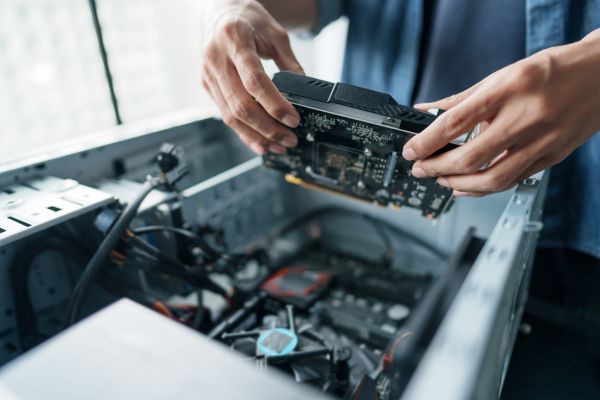
Graphics cards are still the most emotionally charged component in any build. Prices fluctuate, reviews obsess over frame rates, and it’s easy to feel like you’re settling for less. But budget GPUs in 2026 are far more capable than their reputation suggests.
Modern entry-level and lower-midrange graphics cards handle popular games, creative software, and high-resolution displays with confidence. They benefit from architectural improvements that boost efficiency and driver-level optimizations that weren’t available just a few years ago.
For budget builders, the key is aligning expectations with reality. If you’re gaming at 1080p or working with light creative workloads, there’s no need to chase premium tiers. The best budget PC components in this category deliver stable performance, reasonable thermals, and quiet operation, not bragging rights.
Motherboards That Don’t Get in the Way
Motherboards rarely get the spotlight, but they quietly determine how pleasant your build will be over time. Budget motherboards in 2026 have matured significantly. Features that once belonged to high-end boards—solid power delivery, fast storage support, and modern connectivity—are now common at lower price points.
A good budget motherboard doesn’t need flashy heatsinks or RGB accents. What matters is stability, compatibility, and sensible layout. Enough USB ports, reliable networking, and support for current memory standards go much further than cosmetic extras.
Choosing a motherboard that simply works, updates easily, and doesn’t limit future upgrades is one of the smartest budget decisions you can make.
Memory That Balances Speed and Capacity
Memory pricing has settled into a more predictable pattern, which is great news for budget builders. In 2026, it’s easier than ever to hit the sweet spot between speed and capacity without overspending.
For most users, sufficient memory capacity matters more than extreme speeds. Smooth multitasking, faster app switching, and fewer slowdowns come from having enough RAM to breathe. Modern platforms handle memory efficiently, so budget-friendly kits often perform nearly as well as premium options in real-world scenarios.
The best budget PC components in this category are reliable, widely compatible, and free from unnecessary frills. They do their job quietly, which is exactly what you want.
Storage That Feels Fast Without Feeling Wasteful
Storage is one of the areas where budget builds shine the most in 2026. Solid-state drives are no longer a luxury; they’re a baseline expectation. Even affordable SSDs deliver snappy boot times, fast file access, and a level of responsiveness that transforms the entire PC experience.
For budget builds, capacity planning matters more than chasing peak benchmark numbers. A reasonably sized primary drive for the operating system and applications, paired with secondary storage if needed, offers flexibility without breaking the bank.
The best budget PC components here focus on consistency and reliability. You may never notice the difference between a top-tier drive and a good budget option, but you’ll definitely notice if storage is slow or unstable.
Power Supplies That Put Safety First
Power supplies are often overlooked, and that’s a mistake. A reliable power supply protects every other component in your system. In 2026, budget power supplies have improved, but quality still varies widely.
A good budget PSU delivers clean, stable power, operates quietly, and meets modern efficiency standards. It doesn’t need extreme wattage or modular cables to be effective. What it needs is solid internal design and proven reliability.
Choosing a trustworthy power supply might not be exciting, but it’s one of the most responsible decisions in any budget build.
Cases That Are Practical, Not Pretentious
PC cases have become more functional and affordable over the years. Budget cases in 2026 often offer excellent airflow, sensible layouts, and surprisingly good build quality.
The best cases for budget builds prioritize ease of assembly and cooling over aesthetics. Clean cable routing, adequate fan support, and enough space for future upgrades matter far more than tempered glass panels or aggressive styling.
A good case fades into the background once the build is complete. It keeps components cool, stays quiet, and doesn’t demand attention.
Cooling That Matches the System’s Reality
Not every PC needs elaborate cooling. Budget processors and graphics cards are designed to run efficiently, and many perform perfectly well with modest cooling solutions.
In 2026, stock coolers and affordable aftermarket options have improved significantly. They’re quieter, more effective, and easier to install than ever before. The key is choosing cooling that matches your system’s actual thermal needs, not imagined worst-case scenarios.
Effective, sensible cooling is another hallmark of the best budget PC components: functional, reliable, and refreshingly unpretentious.
The Hidden Advantage of Budget Builds
There’s an unexpected upside to building on a budget. It encourages thoughtfulness. Instead of chasing specs, you focus on experience. You learn which upgrades actually matter and which ones look impressive but change little in daily use.
Budget builds also age gracefully. Because they’re designed around balance rather than extremes, they tend to remain usable longer. They’re easier to upgrade incrementally, and they rarely suffer from the diminishing returns that plague high-end systems.
In many ways, a well-planned budget PC feels more satisfying than an expensive one. It does exactly what you need, without excess.
A Thoughtful Conclusion on Building Smart in 2026
Building a PC in 2026 doesn’t require deep pockets, only clear priorities. The market is full of capable, affordable hardware designed for people who want performance without waste. The best budget PC components aren’t defined by price alone, but by how well they work together.
A successful budget build feels cohesive. It boots quickly, runs quietly, handles everyday tasks with ease, and leaves room to grow. It doesn’t chase trends or overpromise. It simply works.
And in a world where technology often feels overcomplicated, that kind of simplicity is its own kind of luxury.