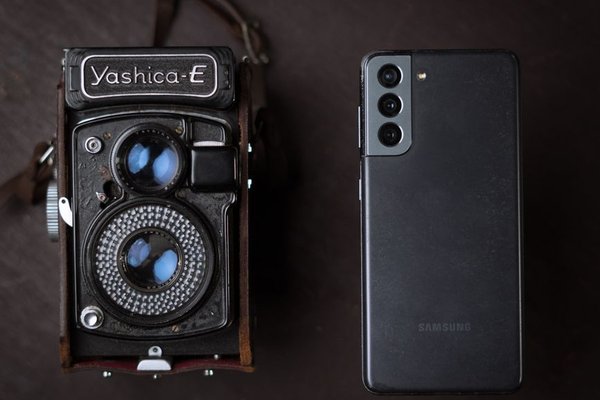
Choosing between an iPhone and a Samsung Galaxy is still one of the biggest decisions facing UK phone buyers in 2026. Both brands offer excellent displays, capable cameras, long-term software support and polished ecosystems, but they approach the smartphone experience differently. The right choice is less about finding a universal winner and more about deciding which strengths match the way you use your phone.
For anyone comparing iOS vs Android in the UK, the key questions are simple: how much do you want to spend, how much control do you want over the interface, which other devices do you own, and what matters most in a camera? Once those priorities are clear, the iPhone or Samsung 2026 decision becomes much easier.
Is iPhone or Samsung better overall?
Apple is usually the better fit for buyers who value simplicity, consistency and seamless connections between devices. Samsung is generally stronger for choice, customisation and hardware variety. Neither brand wins every category.
An iPhone feels tightly controlled because Apple designs the hardware, operating system and many core services together. Samsung uses Android with its One UI interface, giving users more control over layouts, default apps and multitasking. That flexibility can feel liberating, although newcomers may find the number of settings slightly overwhelming.
Price and model choice for UK buyers
Samsung offers the broader range. Its Galaxy line stretches from affordable A-series models to premium foldables and the flagship Galaxy S26 family. Apple’s range is narrower, although shoppers can choose between the iPhone 17 models, the lower-priced iPhone 17e and selected iPhone 16 devices.
At official UK prices in mid-2026, the iPhone 17 starts below the standard Galaxy S26, while the iPhone 17e offers a cheaper route into Apple’s ecosystem. Actual prices change quickly. Samsung frequently runs trade-in campaigns, storage upgrades and retailer discounts, while older iPhones remain widely available through networks and authorised sellers.
Compare the final cost rather than the headline price. Check storage, trade-in credit, contract length and included accessories. The best phone brand in the UK may simply be the one offering the stronger deal when you are ready to buy.
Software experience: iOS vs Android UK
Why people choose iOS
iOS is clean, predictable and easy to learn. Updates arrive directly from Apple, and iOS 26 supports a wide selection of older iPhones as well as the latest models. Apps are generally well optimised, while AirDrop, FaceTime, Apple Pay and Find My work smoothly within Apple’s ecosystem.
The trade-off is control. Apple allows more personalisation than it once did, but Samsung still gives users greater freedom to change home screens, widgets, app behaviour, split-screen layouts and default services.
Why people choose Samsung
Samsung’s One UI combines Android flexibility with a polished, feature-rich design. It is particularly good for multitasking, large-screen productivity and deeper customisation. Google services such as Gmail, Photos, Maps, Drive and Gemini are closely integrated.
Galaxy phones can include more pre-installed apps and duplicate services. Some people appreciate the choice; others prefer Apple’s more streamlined approach.
Camera quality and video
Both brands can produce excellent photographs, especially on flagship models. iPhones are known for dependable colour, strong video and consistent results without much adjustment. They suit parents, social media creators and anyone who wants reliable footage quickly.
Samsung often produces a brighter, more dramatic look and offers extensive shooting options. Premium Ultra models are especially attractive to buyers who want powerful zoom and greater flexibility with distant subjects. Samsung’s editing and AI-assisted tools can also help remove distractions or reframe a shot.
Compare equivalent models. A Galaxy Ultra should not be judged against an entry-level iPhone, and an iPhone Pro should not be compared with a budget Galaxy A-series phone.
Battery life and charging
Battery performance varies by screen size, signal strength and usage. Larger Samsung models often have big batteries and comparatively fast wired charging. Apple focuses strongly on efficiency, and recent iPhones can provide dependable all-day performance without leading on battery capacity.
Samsung is usually more appealing if charging speed and detailed battery controls matter most. iPhone users may prefer the convenience of MagSafe accessories. In either case, real-world endurance matters more than a capacity number on a specification sheet.
Ecosystem and connected devices
Your existing technology may decide the result. An iPhone is the natural partner for a MacBook, Apple Watch, iPad, AirPods or Apple TV. Shared clipboards, automatic device switching and easy file transfers reduce friction.
Samsung has its own ecosystem of Galaxy Watches, Buds, tablets, laptops, SmartThings products and televisions. It also works openly with Windows and Google services. Buyers who use a Windows PC or mix products from different manufacturers may find Samsung less restrictive.
Design, displays and everyday use
Both brands provide bright, smooth and colour-rich displays on premium models. Design is subjective: iPhones maintain a recognisable style, while Samsung experiments with more form factors, including foldables. Samsung also offers split-screen apps, edge panels and stylus support on selected devices. Apple concentrates on making a smaller set of features feel highly cohesive.
Which phone should you buy in 2026?
Choose an iPhone if you want a straightforward interface, excellent video, close integration with Apple products and a consistent experience. It is especially compelling for people who already own a Mac, iPad or Apple Watch.
Choose Samsung if you want more models at different prices, deeper customisation, faster charging options, flexible multitasking or advanced zoom on premium devices. It is also a strong choice for Windows users and people who prefer Google services.
For buyers asking “iPhone vs Samsung: which is best in the UK?”, the honest answer is that the better phone fits your ecosystem, budget and priorities. Compare similarly priced models, try both interfaces in a shop and avoid paying for features you will rarely use.
Frequently asked questions
Is Samsung better value than iPhone in the UK?
Samsung usually offers more choice across budget, mid-range and premium prices, with frequent discounts and trade-in deals. Apple provides fewer low-cost options, although the iPhone 17e and older models make its ecosystem more accessible.
Which is better for photos, iPhone or Samsung?
iPhone is excellent for consistent photos and video, while premium Samsung phones provide versatile zoom and more shooting controls. The winner depends on the exact models and the type of images you take.
Is it difficult to switch from iPhone to Samsung?
No. Samsung’s Smart Switch can transfer many contacts, photos, messages and other data. You may still need to reorganise apps, move passwords and replace Apple-only services.
Which brand is better for long-term software support?
Both provide strong support on premium phones. Apple supports many older devices through iOS 26, while Samsung supplies Android and security updates for eligible Galaxy models. Check the policy for the exact phone before buying.
Conclusion
The iPhone vs Samsung debate has no single winner in 2026. Apple delivers a controlled, cohesive experience that works brilliantly within its ecosystem. Samsung provides greater variety, customisation and hardware choice. Focus on total price, camera style, software, battery performance and compatibility with devices you already own. That will lead to a better purchase than choosing purely by logo.