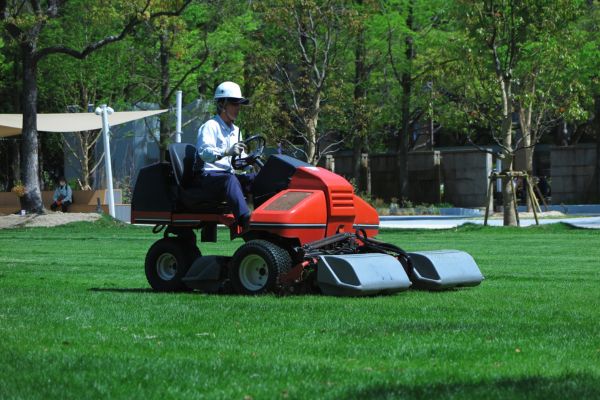
Ride-on mowers are often thought of as seasonal machines, brought out during the warmer months and gradually used less as autumn fades into winter. However, this perception overlooks how versatile modern ride-on mowers can be when paired with the right attachments. Far from being limited to leaf collection or end-of-season tidy-ups, mower attachments allow a single machine to support lawn and garden care throughout the entire year. By shifting the focus from seasonal use to year-round functionality, owners can extract far greater value and productivity from their equipment.
Autumn naturally highlights the usefulness of attachments, as fallen leaves, debris, and pruning waste accumulate quickly. Sweepers, trailers, and carts make short work of these tasks, helping lawns breathe and preventing organic matter from smothering grass. Yet the same attachments remain useful well beyond autumn. As winter approaches, they can be repurposed to manage fallen branches after storms, transport logs, or move compost and materials in preparation for colder weather. The mower becomes a transport and clean-up tool rather than a dormant piece of machinery.
Winter may seem like an unlikely season for ride-on mower use, but attachments make it surprisingly practical. While grass growth slows or stops altogether, gardens and properties still require attention. Trailers can be used to move firewood, feed, tools, or supplies across muddy or uneven ground, reducing the need for carrying heavy loads by hand. Rollers can help smooth lawns after frost heave or heavy rain, while spreaders are often used to apply grit or de-icing materials on private paths and driveways where appropriate.
As conditions improve toward the end of winter, preparation becomes the priority. Attachments play a key role during this transitional period. Aerators help relieve soil compaction caused by months of wet weather and foot traffic, improving drainage before spring growth begins. Spreaders allow for early application of soil conditioners or treatments that support root recovery. By tackling these tasks early and efficiently, lawns are better positioned to respond quickly when temperatures rise.
Spring is when the benefits of year-round attachment use become most apparent. Lawns that were aerated, cleared, and cared for during autumn and winter typically green up faster and more evenly. Spreaders can be used for overseeding and fertilising, ensuring consistent coverage that promotes healthy growth. Rollers help level the lawn surface after winter disruption, improving both appearance and mowing quality. At this stage, the ride-on mower transitions seamlessly back into its familiar role, now supported by attachments that enhance results rather than simply maintaining grass height.
Summer introduces a different set of demands. While mowing frequency increases, attachments remain relevant. Trailers can transport garden waste from pruning or landscaping projects, move mulch or soil, and carry tools during extended outdoor work. Sweepers can collect clippings from pathways or tidy up after dry spells that leave debris scattered across lawns. Using attachments in summer keeps the garden looking well-maintained without adding unnecessary manual labour.
One of the key advantages of year-round attachment use is consistency. Regular maintenance prevents problems from building up and becoming harder to address later. Clearing debris frequently reduces disease risk, aerating at appropriate times improves soil structure, and spreading treatments evenly supports steady growth. Instead of reacting to seasonal challenges, owners can adopt a proactive approach that keeps lawns and gardens in good condition throughout the year.
Another benefit lies in efficiency. Attachments allow tasks to be completed quickly during short windows of suitable weather, which is especially important in autumn and winter. When conditions change rapidly, being able to hitch an attachment and complete work without delay helps prevent missed opportunities. This flexibility is invaluable for anyone managing larger gardens or properties where timing plays a crucial role.
There is also a financial argument for year-round use. Ride-on mowers represent a significant investment, and leaving them idle for long periods limits their return. Attachments extend the mower’s usefulness, effectively spreading the cost of ownership across multiple tasks and seasons. Instead of purchasing separate machines for transport, spreading, or aeration, a single power unit supports a wide range of activities.
From a physical standpoint, attachments reduce strain and fatigue. Garden work often involves repetitive lifting, bending, and pushing, which can take a toll over time. Using a mower to tow attachments shifts the workload from the body to the machine, making garden care more sustainable and accessible. This is particularly beneficial for those managing properties independently or working on uneven ground.
Environmental considerations also come into play. Using one engine for multiple tasks can reduce overall fuel consumption compared to operating several separate machines. Efficient attachments minimise waste by applying treatments accurately and collecting debris cleanly. This integrated approach supports more responsible garden management and encourages practices such as composting and soil improvement.
Storage and organisation are additional advantages. Attachments are generally easier to store than full machines and can be rotated in and out of use as needed. This keeps sheds and garages more organised and reduces maintenance complexity. Fewer engines mean fewer servicing schedules, making upkeep simpler and more predictable.
The adaptability of attachments encourages experimentation and improvement. Once owners become comfortable using their mower for tasks beyond mowing, they often discover new ways to streamline garden care. Seasonal routines become more structured, with attachments deployed strategically rather than sporadically. This shift leads to better results and a more enjoyable maintenance experience.
Suppliers such as Garden Machinery Direct often emphasise the versatility of ride-on mower attachments because they enable this broader approach to garden care. Rather than viewing attachments as optional extras, they are positioned as essential tools that unlock the mower’s full potential across the year.
Weather variability makes this versatility increasingly valuable. Changing climate patterns bring unpredictable rainfall, temperature swings, and storm events. Attachments allow users to respond quickly, whether clearing debris after high winds or improving drainage during prolonged wet periods. This responsiveness protects lawns and landscapes from avoidable damage.
There is also a sense of continuity that comes from year-round use. Instead of distinct seasons of activity and inactivity, garden care becomes a steady process. Small, regular interventions replace large, exhausting efforts, making maintenance more manageable and less stressful. This approach aligns well with modern expectations of efficiency and balance.
Seen from a long-term perspective, ride-on mower attachments support healthier gardens and more efficient use of time and resources. They transform the mower into a central tool rather than a seasonal specialist, encouraging consistent care and proactive maintenance.
In practical terms, year-round attachment use changes how garden machinery fits into everyday property management. By extending functionality beyond autumn tasks, attachments help owners maintain momentum through winter, prepare effectively for spring, and stay organised during summer. This continuity delivers better outcomes with less effort, proving that ride-on mowers can be productive companions throughout the entire year rather than tools confined to a single season.