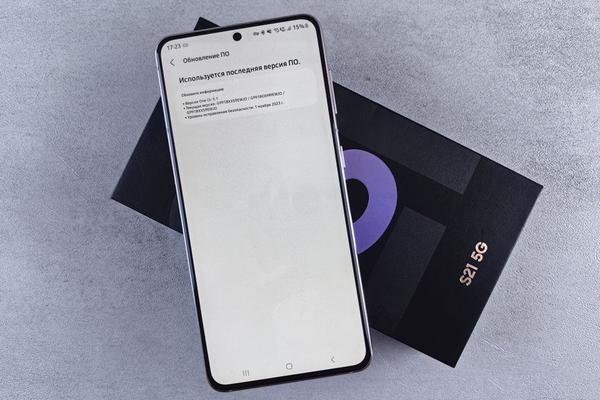
In 2026, 5G is no longer a luxury feature reserved for expensive flagship phones. It has become a baseline requirement for most UK buyers, including those shopping in the budget and mid-range categories. That does not mean every 5G phone delivers the same experience. Network coverage, supported frequency bands, software compatibility and your usual locations can matter more than the logo on the box. This 5G phones UK buying guide explains what to check before upgrading, helping you avoid paying for specifications you will not use while choosing a phone that should remain useful for years.
What 5G Actually Changes for UK Phone Users
The clearest benefit of 5G is faster mobile data, but speed is only part of the story. A good connection can make large downloads quicker, improve high-quality video streaming and provide more consistent performance in crowded places. It can also make video calls, cloud gaming and mobile hotspot use feel more responsive.
However, the real-world difference between a 5G vs 4G phone is not always dramatic. Strong 4G can outperform weak or congested 5G, while messaging, browsing and music streaming do not require extreme speeds. The value of 5G is increasingly about access to newer network capacity as UK operators continue upgrading their infrastructure.
Understanding 5G Coverage UK Buyers Can Expect
UK coverage has expanded significantly, but it remains uneven. Ofcom’s Spring 2026 figures, based on network data from January 2026, showed outdoor 5G coverage from individual operators ranging from 76% to 94% of premises at its high-confidence level. Coverage from every operator at the same location was lower, reminding buyers that the best network nationally may not be best at home, work or along a regular commute.
Before choosing a handset or contract, enter your postcode in Ofcom’s independent mobile coverage checker and compare the result with operators’ maps. Check indoor and outdoor predictions separately. Walls, insulation, buildings, trees and terrain can affect reception, so local experience is valuable. A phone cannot compensate for a network with poor signal where you use it most.
Standalone and Non-Standalone 5G
Most early UK 5G services used non-standalone technology, combining 5G data with parts of the existing 4G network. Standalone 5G uses a newer 5G core and is designed to enable better efficiency, lower latency and more advanced services. Ofcom reported that outdoor standalone coverage among operators that had deployed it ranged from 49% to 85% of premises in January 2026.
Compatibility can depend on the exact handset, software version, network and tariff. Buyers planning to keep a phone for several years should therefore check the manufacturer’s UK specifications and their operator’s compatibility information instead of assuming every imported or older 5G model supports identical features.
Which 5G Specifications Matter?
UK Frequency Band Support
UK networks use a mixture of frequency bands. Lower frequencies travel farther and generally enter buildings more effectively, while higher frequencies provide greater capacity over shorter distances. Bands commonly relevant to UK 5G include n1, n3, n28 and n78, although deployment varies. The safest option is an official UK model with broad sub-6GHz support. An imported phone may connect to 5G yet miss a band used for better local coverage or capacity.
Modem, Updates and Battery Life
A capable modem and well-designed antennas help maintain a stable connection, but independent reception and battery tests are often more useful than theoretical maximum speeds. 5G may use more power when signal is weak or the phone repeatedly switches network types, so battery endurance still matters.
Software support is equally important. Network features can require carrier settings or firmware updates, while long security support helps you keep the device safely. For value-focused buyers, dependable updates, sensible repair options and available battery servicing can make a phone more sustainable than a cheaper model that becomes obsolete quickly.
Budget, Mid-Range or Flagship?
You no longer need a flagship for reliable 5G. A modern budget model can handle calls, maps, social media, streaming and browsing, provided it is the official UK version and receives adequate security updates. Prioritise battery life, storage, display quality and update policy rather than chasing headline speeds.
Mid-range devices often provide the best balance. The Samsung Galaxy A56 5G combines mainstream connectivity with a long update commitment. Google’s Pixel 10 is a more premium option with broad sub-6GHz band support, including bands widely used in the UK.
Flagships such as the iPhone 17 series and Samsung Galaxy S26 range suit buyers who also want premium cameras, faster processors and high-end displays. They support modern UK 5G, but buying one solely for faster data is hard to justify. On the same network and in the same place, a compatible affordable phone may achieve similar practical speeds. The best 5G smartphone is the one that combines network support with features you genuinely use.
Do Not Forget the SIM Plan
A 5G phone also needs a compatible SIM, tariff and network service. Most current plans include 5G, but check for speed restrictions, data limits, tethering rules and roaming terms. Unlimited data may sound appealing, although a smaller allowance can offer better value when most usage happens on Wi-Fi.
Buying unlocked makes switching networks easier if coverage disappoints. Dual-SIM or eSIM support can help you combine personal and work numbers, use a travel plan or keep another network as backup. Confirm the UK model’s SIM configuration because regional versions can differ.
Frequently Asked Questions
Is it worth buying a 5G phone in the UK in 2026?
Yes, for most buyers. 5G is widely available, appears across most price bands and offers better long-term network compatibility. Choose a phone and operator that perform well locally rather than paying extra for the 5G label alone.
Will a 5G phone work where only 4G is available?
Yes. UK 5G phones also support 4G and normally switch automatically when 5G is unavailable. Strong 4G remains important in rural areas, inside some buildings and while travelling.
Are imported 5G phones safe to buy?
They can work, but compatibility is less predictable. Check UK bands, warranty coverage, software region, eSIM support and operator features such as Wi-Fi Calling. An official UK model is usually the lower-risk purchase.
Does 5G always use more battery than 4G?
Not always, but weak signal and frequent switching between 4G and 5G can increase power use. Battery impact depends on the device, modem, network conditions and activity. Many phones also offer an automatic or 4G-preferred mode.
Conclusion
Choosing among 5G phones UK retailers sell becomes easier when you focus on practical factors. Start with local coverage, buy a UK-compatible model, check software support and match the tariff to your real data use. Budget and mid-range phones now satisfy most users, while flagships justify their premium mainly through cameras, performance and other hardware. Treat 5G as an important foundation rather than a reason to overspend, and you are more likely to get lasting value.