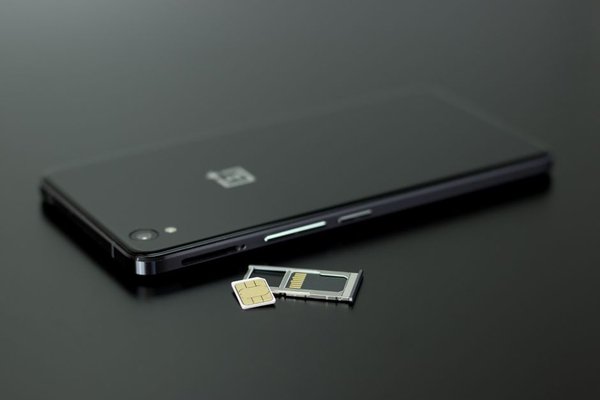
Buying a new phone in the UK is no longer a simple choice between paying upfront or signing a two-year contract. Handset prices have climbed, SIM-only plans are competitive, and many networks now separate phone finance from airtime. The real question is not which option has the lowest headline price, but what you will pay over the full period you keep the device.
For many buyers, a SIM-free phone paired with a good SIM-only deal can be cheaper over time. A contract can still make more sense when you want to spread the handset cost, prefer one monthly payment, or find a genuinely discounted bundle. The smarter choice comes down to total cost, flexibility and how long you plan to keep the phone.
What does SIM-free actually mean?
A SIM-free phone is a handset you buy separately from your mobile service. You then choose a SIM-only plan from a network or virtual operator. UK mobile companies have been banned from selling locked handsets since December 2021, so modern phones sold by networks should not lock you to one provider.
The main advantage is separation. Your phone and mobile service are independent, so you can change airtime deals when your minimum term allows without replacing the handset.
How a pay-monthly phone contract works
A pay monthly phone UK deal usually combines or coordinates two costs: the handset and your calls, texts and data. Some providers use bundled contracts, while others use separate handset finance and airtime agreements. The monthly figure can look attractive because you avoid paying hundreds of pounds at once.
Before signing, compare the entire commitment, including any upfront fee, handset payments, airtime charges and stated annual increases. For newer UK contracts, providers must make scheduled price rises clear in pounds and pence at the point of sale, so do not assume today’s monthly price will stay unchanged.
SIM-free vs contract: where the real savings come from
Total handset and airtime cost
Start with a simple calculation: handset cost plus airtime cost over the period you expect to keep the phone. Do not compare only “£39 a month” with “£899 upfront”, because those figures describe different parts of the purchase.
Suppose a SIM-free handset costs £800 and a suitable SIM-only plan is £10 a month. Over 24 months, the combined cost is £1,040 before any plan changes. If a comparable contract costs £30 upfront plus £46 a month for 24 months, the headline total is £1,134 before scheduled changes. SIM-free saves £94 in this example, but a discounted contract could reverse the result. Use your actual offers.
What happens after the phone is paid off
If you keep a SIM-free handset for three or four years, you continue paying only for service once the purchase cost is behind you. With a contract, check what happens when the minimum term ends and whether you need to switch to a cheaper airtime deal.
If your current handset still works well, moving to one of the sim only phone deals UK customers can access may cost less than upgrading simply because a contract has ended.
Flexibility to switch networks
A SIM-free setup gives you more control over airtime. You can switch when your SIM plan permits if coverage disappoints, your data use changes or another provider offers better value. A handset contract usually involves a longer financial commitment, so check the minimum term and early-exit conditions carefully.
Upfront affordability
SIM-free does not automatically mean better if paying £700 or more upfront would strain your budget. A contract spreads the cost and can be easier to manage month to month. The sensible test is affordability across the whole term, not simply whether the first payment is low.
When SIM-free is usually the better choice
SIM-free tends to work well when you can afford the handset without expensive borrowing, plan to keep it beyond two years, and are willing to shop around for airtime. It also suits people who want freedom to change networks or data plans independently from the phone.
Retailer discounts, manufacturer promotions, trade-in offers and refurbished devices can make sim free phone deals especially competitive. Compare like with like, including storage, condition, warranty and included extras.
When a contract can be the smarter buy
A contract can win when the network discounts the handset heavily, includes benefits you would genuinely buy anyway, or offers manageable handset payments that preserve your cash flow. It can also suit people who prefer one provider handling both device and service.
Do not overpay for allowances you will not use. If you normally consume 15GB a month, paying extra for unlimited data may erase the value of a handset discount.
A five-minute comparison before you buy
Price the exact handset SIM-free and add a suitable SIM-only plan over 24 or 36 months. Then calculate the contract’s upfront payment plus every monthly charge across the same period, including clearly stated scheduled increases. This side-by-side total is more useful than the advertised monthly figure.
Next, check network coverage at home, work and places you visit regularly. Finally, think about how long you normally keep a phone. Someone upgrading every two years has a different cost profile from someone keeping the same handset for four years.
Other costs that can change the result
Trade-in value, insurance, roaming, out-of-bundle charges, repair cover and early-exit fees can all affect the real total. Bundled extras only count as savings if you would otherwise have paid for them.
Natural next reads include choosing the right mobile data allowance, comparing UK mobile networks, and deciding when to upgrade your smartphone.
Frequently asked questions
Is it cheaper to buy a phone SIM-free in the UK?
Often, but not always. SIM-free plus SIM-only is frequently competitive because you can shop separately for the handset and airtime. A heavily discounted contract can still be cheaper, so compare the full cost over the same period.
Can I use any UK SIM in a SIM-free phone?
Usually yes, provided the handset supports the network technology you need. UK providers have been prohibited from selling locked mobile phones since December 2021, which makes switching easier.
Do UK phone contracts still increase in price?
They can. For newer contracts, scheduled increases must be shown clearly in pounds and pence when you sign up. Check when the increase happens and include it in your total cost calculation.
Should I choose SIM-only after my contract ends?
If your handset is still in good condition, moving to SIM-only can be a straightforward way to reduce your monthly mobile cost. Compare your usage and coverage before choosing a tariff.
Which option saves you more?
For buyers who can handle the upfront cost and keep their handset for several years, SIM-free plus a well-priced SIM-only plan often offers strong long-term value and flexibility. Contract phones remain useful when spreading the cost matters or a network bundle is genuinely cheaper.
The decisive number is not the upfront price or monthly payment. It is the total amount you will spend for the phone and service over the period you will actually use them. Calculate that figure, check the terms and coverage, and the better deal usually becomes clear.