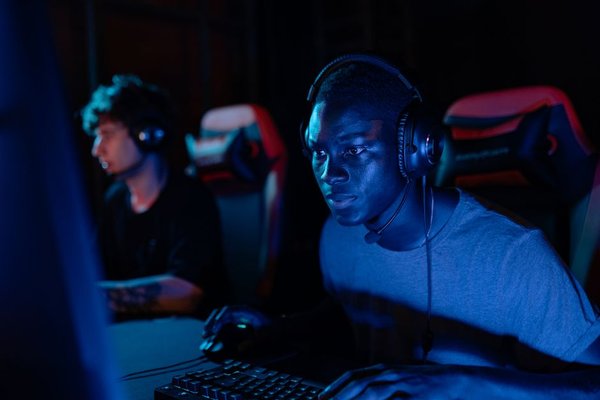
Watch an esports match and the spotlight usually falls on the player who lands the winning shot or makes the decisive play. Yet that moment is often the result of work done by people who never appear on screen. A professional roster needs more than individual talent: someone must coordinate decisions, prepare opponents’ tendencies, organize practice and keep the team functioning through a demanding season. Understanding esports team roles explained in practical terms reveals how all those contributions fit together.
How an esports team is organized
The exact structure depends on the game, the competition level and the organization’s budget. Most established teams have competing players, an esports coach and operational support. Larger organizations may employ analysts, assistant coaches, performance specialists and dedicated managers. Amateur squads often share those responsibilities among a handful of people.
Players: specialists who execute the game plan
Players are the visible foundation of a pro gaming team. They practise mechanics, learn strategies, communicate information and adapt under pressure. Being individually skilled is not enough; players must understand the timing and responsibilities of their teammates.
In-game positions change with the title
In tactical shooters such as VALORANT or Counter-Strike, teams may distinguish entry players, supporting players, anchors and other specialists. An entry player often takes an early fight to create space, while a support-focused teammate helps with utility and positioning. These are common descriptions, not universal job titles.
In League of Legends, positions are formally connected to lanes and functions: top, jungle, mid, bottom carry and support. A Rocket League lineup operates differently, with players rotating between attacking, defending and supporting as situations develop. So an esports roster chart only makes sense when you know which game it represents.
In-game leader: the voice connecting five perspectives
An in-game leader, often shortened to IGL, makes or coordinates tactical calls while playing. They may decide when to rotate, slow the pace, commit to an objective or change a planned strategy. The best leaders listen to information from teammates rather than attempting to control every action.
A captain and an IGL are not necessarily the same person. A captain may handle team representation, morale or communication outside matches, while a designated shot-caller leads particular decisions in game. Some lineups split calling duties according to the situation. A useful introduction to esports communication starts by recognizing that leadership is often shared.
Coaches: turning individual ability into a repeatable system
The esports coach shapes training, reviews performances and helps the roster agree on how it wants to play. A coach might organize practice blocks, guide draft preparation where relevant, lead post-match discussions and help players work through recurring mistakes.
Coaching is not simply shouting instructions during a match. Many competitions restrict when coaches can communicate with players, so preparation and review are central to the job. A head coach may focus on overall direction while an assistant handles individual development or specific strategic work. Effective coaching also means knowing when players need clearer feedback rather than another exhausting practice session.
Analysts: finding patterns behind the result
An esports analyst studies match footage, in-game statistics, drafts, map choices and opponents’ habits. The goal is not to produce impressive spreadsheets; it is to give players and coaches information they can actually use. For example, an analyst might identify that an opponent repeatedly contests a certain area after an early setback.
Analysts also review their own team’s decision-making. They can distinguish a bad outcome from a bad decision: losing a round does not automatically mean the original plan was unreasonable. Video breakdowns, scouting reports and trend summaries become most valuable when they end with a specific adjustment to test in practice.
Managers and operations staff: making competition possible
A team manager handles the practical side of competing. That can include schedules, tournament registration, travel coordination, communication with event organizers and helping players meet administrative requirements. In some organizations, a general manager takes broader responsibility for recruitment, contracts and roster decisions.
These details are less glamorous than highlight clips, but they matter. A missed check-in, confusing travel plan or unresolved equipment problem can disrupt preparation. Managers create the conditions for players and coaches to concentrate on competition. Exact responsibilities vary, especially between independent squads and well-funded organizations.
Performance and support staff: protecting consistency
Some teams work with sports psychologists or mental performance coaches, physiotherapists, nutrition professionals and other specialists. Their work can involve stress management, sustainable routines, physical comfort and recovery. These roles should not be confused with tactical coaching or medical diagnosis by unqualified staff.
What the teamwork looks like before a match
Imagine a tactical-shooter team preparing for an opponent that often attacks one site late in the round. The esports analyst notices the pattern in recent match footage and shows examples to the coach. The coach designs a practice exercise for responding to a late rotation. During the match, the IGL receives information from teammates and decides whether the familiar pattern is appearing again. The players then execute the response, while the manager has already handled the match schedule and required check-ins.
No single role guarantees a win. The analyst’s pattern might be misleading, the opponent might adapt or the players might face a completely new situation. The point is that each specialist reduces a different kind of uncertainty. Afterward, the group reviews what happened and changes its preparation if needed.
How to explore an esports career beyond playing
You do not need a professional player contract to begin learning these skills. Aspiring analysts can review publicly available matches and write short scouting reports that identify evidence, limitations and a suggested adjustment. Future coaches can help community rosters structure practice and give constructive feedback. Someone interested in operations can coordinate amateur tournaments and develop reliable scheduling habits.
Frequently asked questions
What are the main roles on an esports team?
The core roles are competitive players, in-game leadership, coaching and team management. Larger teams may add analysts, assistant coaches, performance professionals and business or media staff. Not every organization employs each role separately.
What is the difference between an esports coach and an analyst?
A coach typically guides team development, practice and strategic preparation. An analyst focuses on studying footage, statistics and opponent tendencies to produce useful findings. They collaborate closely, and their duties may overlap.
Does every esports team need an in-game leader?
Every team needs a way to coordinate decisions, but not every game or roster uses a single designated IGL. Some share calling among players or use different leaders for different situations.
Can you work in esports without being a professional player?
Yes. Coaching, analysis, event operations, production, marketing and player support offer other pathways. Relevant experience and evidence of practical skills are usually more useful starting points than competitive rank alone.
Conclusion
Esports team roles form a connected system: players execute, leaders coordinate, coaches develop, analysts investigate and managers keep everything on track. Support staff can help teams sustain that effort over time. Once you notice this division of labor, competitive matches become more interesting—not because the star players matter less, but because you can see the preparation and teamwork behind their best moments.