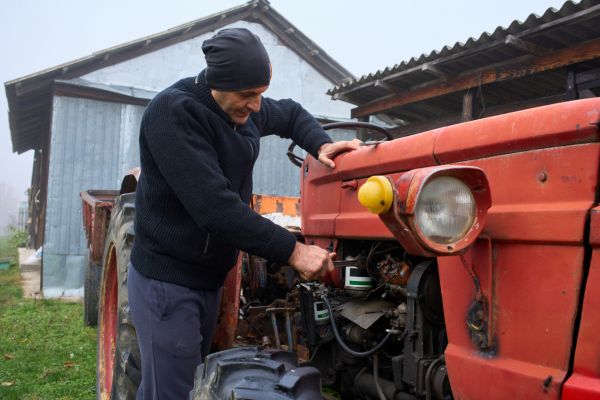
Restoring vintage agricultural machinery is often described as a labour of love, and for good reason. While the finished tractor or implement may look immaculate on a show field, the journey to get there is rarely straightforward. Behind every restoration lies a series of technical, practical, and sometimes emotional challenges that test patience, skill, and determination.
One of the earliest hurdles restorers face is assessment. Older machines often arrive with unknown histories. Years of use, storage in damp conditions, or improvised repairs can hide serious issues beneath the surface. What looks like cosmetic rust may conceal structural weakness, while an engine that turns over might still suffer from worn internals. Properly assessing the condition of a machine before work begins is essential, yet it is rarely simple.
Disassembly is another major challenge. Bolts seize, threads strip, and components refuse to move after decades of inactivity. Removing parts without causing damage requires care and experience. In some cases, specialised tools or custom solutions are needed, particularly for components that are no longer standard. This stage can be slow and frustrating, but rushing often leads to broken parts that are difficult or impossible to replace.
Parts availability is one of the most significant obstacles in vintage restoration. Many original components are no longer manufactured, and finding correct replacements can take time. Restorers must decide whether to source original parts, use modern equivalents, or refurbish worn components. Each option has trade-offs between authenticity, cost, and practicality. Tracking down the right parts often involves networking, research, and patience.
Midway through many projects, restorers find that suppliers like Masseyparts play a crucial role by helping bridge the gap between original specifications and modern availability, making progress possible when parts are scarce.
Mechanical systems present their own challenges. Engines may require full rebuilds due to worn bearings, damaged pistons, or corrosion. Gearboxes and hydraulics can be particularly complex, especially on machines that predate modern documentation standards. Electrical systems, often simple by today’s measures, can still cause headaches due to brittle wiring, outdated components, or previous modifications. Restorers must balance originality with safety and reliability when addressing these systems.
Cosmetic restoration is often underestimated. Achieving an authentic finish involves more than applying a fresh coat of paint. Correct colours, decals, and surface preparation all matter, particularly for those aiming for historical accuracy. Poor preparation can undo months of mechanical work, as paint failures or incorrect detailing become obvious over time. This stage demands precision and research, as even small inaccuracies can stand out to knowledgeable enthusiasts.
Time management is another behind-the-scenes challenge. Restorations rarely follow a neat schedule. Unexpected issues arise, parts take longer to arrive, and progress can stall. Many restorers juggle projects alongside work and family commitments, meaning momentum can be difficult to maintain. Accepting that restoration is a long-term process helps prevent burnout and disappointment.
There is also an emotional element to consider. Restoring machinery tied to family history or personal memories carries added pressure. Setbacks can feel more personal, and the desire to “get it right” can slow decision-making. At the same time, these emotional connections often provide the motivation needed to push through difficult stages of the project.
Knowledge gaps can present further challenges. Vintage machinery often predates detailed manuals or standardised servicing procedures. Learning how a machine was originally designed to function may require advice from experienced restorers or historical research. This reliance on shared knowledge highlights the importance of community within the restoration world.
Despite these challenges, the rewards of restoration are significant. Each problem solved builds confidence and skill. Seeing a machine return to life after years of inactivity is deeply satisfying, particularly when the work preserves a piece of agricultural history. The challenges themselves become part of the story, adding meaning to the finished restoration.
Ultimately, restoring vintage agricultural machinery is about persistence as much as technical ability. The behind-the-scenes difficulties shape the restorer as much as the machine. Through patience, problem-solving, and support from the wider community, these challenges are overcome, ensuring that classic machines continue to work, run, and be appreciated for generations to come.