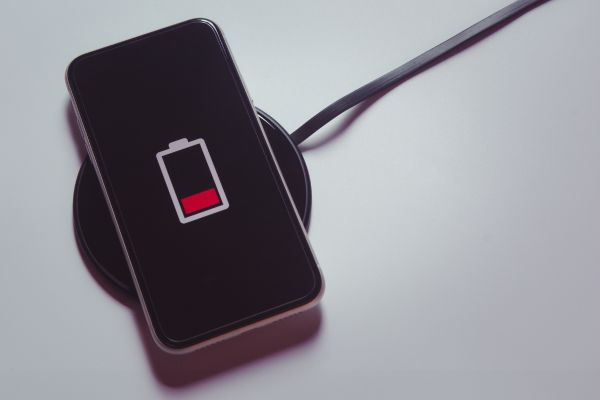
Wireless charging has quietly shifted from being a novelty to something many iPhone users now rely on daily. At first, it felt like a luxury—drop your phone on a pad and watch the battery fill up as if by magic. These days, wireless chargers for iPhone are less about showing off and more about convenience, design, and how seamlessly they fit into everyday routines.
What makes this space interesting is how much it has evolved. Early wireless chargers were slow, finicky, and often required careful phone placement. Modern options are faster, smarter, and far more forgiving. Some blend into furniture, others double as nightstand companions, and a few even travel better than traditional cables. Choosing the right one isn’t about finding the most powerful charger; it’s about finding the one that suits how you live with your phone.
Why wireless charging feels different on iPhone
Apple’s approach to wireless charging has always leaned toward simplicity. Instead of chasing extreme charging speeds, iPhones focus on stability, heat management, and long-term battery health. This makes wireless chargers for iPhone feel predictable in a good way. You know what to expect when you set your phone down, and that consistency matters more than it gets credit for.
MagSafe, in particular, changed the experience. The magnetic alignment removed much of the guesswork, turning wireless charging into a repeatable habit rather than a small daily frustration. Even non-MagSafe chargers have improved alignment and coil placement, making missed connections far less common than they once were.
The quiet appeal of flat charging pads
Flat wireless charging pads remain popular for a reason. They’re simple, unobtrusive, and easy to live with. A good pad sits on a desk or nightstand without demanding attention. You drop your iPhone down while answering a message, and when you pick it up later, it has gained just enough charge to get you through the next stretch of the day.
These pads work especially well for people who charge in short bursts rather than overnight marathons. They don’t push you to change habits, and that’s their strength. Wireless chargers for iPhone in this category tend to age gracefully, continuing to do their job quietly even as newer models arrive.
Stand-style chargers and the rise of visibility
Charging stands changed the conversation by keeping the screen visible. This small design shift has had a surprisingly big impact. Being able to glance at notifications, incoming calls, or the time while charging feels natural, especially at a desk or kitchen counter.
Many iPhone users appreciate stands because they support Face ID without needing to lift the phone. Video calls, quick replies, and even watching short clips become easier. Wireless chargers for iPhone that stand upright subtly encourage more interaction, making charging feel less like downtime and more like a pause between tasks.
MagSafe chargers and the snap-into-place effect
MagSafe chargers introduced a tactile satisfaction that traditional wireless chargers never quite achieved. That soft snap when the magnet connects reassures you that charging has started. It sounds trivial, but that physical feedback builds trust.
MagSafe-based wireless chargers for iPhone often feel purpose-built rather than generic. They align perfectly, support faster charging within Apple’s comfort zone, and reduce heat buildup. For users who value predictability and minimal fuss, MagSafe has become the default rather than the upgrade.
Multi-device chargers for the Apple-heavy lifestyle
If your desk or nightstand hosts more than just an iPhone, multi-device wireless chargers start to make sense. These chargers are designed to power an iPhone, Apple Watch, and AirPods together without turning your space into a tangle of cables.
What’s appealing here isn’t efficiency alone; it’s visual calm. One charging station replaces three separate accessories, which can make a room feel more intentional. Wireless chargers for iPhone that support multiple devices tend to appeal to people who care about how their tech fits into their environment, not just how fast it charges.
Travel-friendly wireless chargers
Wireless charging used to feel impractical for travel. Pads were bulky, stands were fragile, and cables still seemed easier. That has changed. Foldable and compact designs now make wireless chargers for iPhone surprisingly travel-friendly.
These chargers often trade speed for portability, and that’s usually a fair compromise on the road. Being able to drop your phone on a small pad in a hotel room or airport lounge feels easier than hunting for outlets. For frequent travelers, wireless charging becomes less about performance and more about reducing friction.
Heat management and why it matters more than speed
One of the most overlooked aspects of wireless chargers for iPhone is heat control. Wireless charging naturally produces more heat than wired charging, and how a charger handles that heat affects both performance and battery longevity.
The best chargers don’t feel hot to the touch and don’t cause the iPhone to warm excessively. They charge at a steady pace and slow down when necessary. This restraint may not look impressive on paper, but over time it can help preserve battery health, which is something many iPhone users care deeply about.
Design as a deciding factor
Unlike cables that disappear into drawers, wireless chargers live out in the open. That makes design more important than people initially expect. Materials, color, and shape all influence whether a charger feels like part of your space or an eyesore you tolerate.
Some wireless chargers for iPhone lean into minimalist aesthetics, blending into modern interiors. Others embrace a more playful or tech-forward look. The best designs don’t scream for attention; they simply belong where you place them.
The role of charging habits
Wireless charging subtly reshapes how people think about battery life. Instead of waiting for the phone to drop to low percentages, many users top up throughout the day. This habit aligns well with wireless charging’s strengths.
Wireless chargers for iPhone encourage casual charging moments—during meals, while working, or when winding down at night. Over time, this can reduce battery anxiety and make charging feel less urgent and more routine.
How reliability defines the top tier
What separates truly great wireless chargers from average ones isn’t speed or features; it’s reliability. A charger that works every time, without alignment issues or random disconnects, earns trust quickly.
For iPhone users, reliability often outweighs novelty. Wireless chargers for iPhone that consistently perform become part of daily life in a way flashy designs never quite manage. They fade into the background, which is often the highest compliment.
Looking ahead at wireless charging on iPhone
Wireless charging continues to evolve, but its future likely lies in refinement rather than reinvention. Faster speeds may arrive gradually, but the focus will remain on safety, efficiency, and user experience.
As iPhones become more integrated into daily routines, wireless chargers for iPhone will continue to adapt. Expect quieter improvements: better materials, smarter heat control, and designs that feel even more natural in everyday spaces.
Conclusion
Wireless chargers for iPhone have moved beyond being accessories you buy on impulse. They now reflect how people live with their devices—on desks, nightstands, and kitchen counters, always within reach. The best ones don’t try to impress with exaggerated claims. Instead, they offer consistency, comfort, and a sense of ease.
Choosing the right wireless charger is less about chasing the newest feature and more about understanding your habits. When a charger fits naturally into your routine, it stops feeling like technology and starts feeling like part of the background of daily life. And that, ultimately, is what wireless charging was always meant to be.