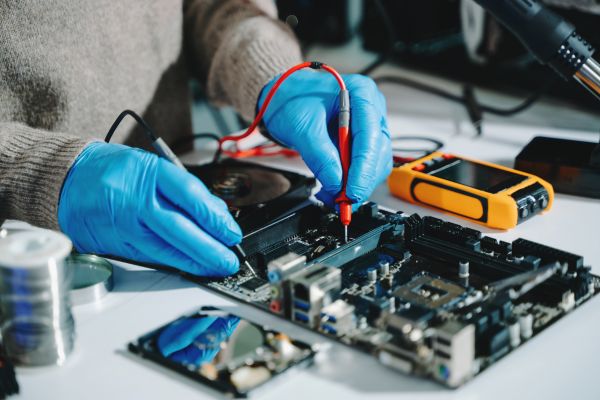
Technology has become so woven into everyday life that most people rarely stop to think about what happens after a device stops working. Phones break, chargers wear out, headphones disappear into junk drawers, and outdated gadgets quietly pile up in homes around the world. Behind every upgrade cycle sits an uncomfortable reality: electronic waste is growing at an astonishing pace, and traditional recycling systems are struggling to keep up.
That challenge has pushed scientists, engineers, and environmental researchers toward a fascinating idea that once sounded almost impossible — biodegradable electronics. Instead of creating devices designed to last forever in landfills, researchers are experimenting with electronic materials capable of safely decomposing after use. The concept blends sustainability with cutting-edge technology, opening the door to a future where certain electronic products may leave behind far less environmental damage.
It is still an emerging field, but interest in biodegradable electronics has expanded rapidly over the past few years. Universities, laboratories, and green technology innovators are exploring how natural materials, dissolvable circuits, and eco-friendly components could reshape the electronics industry in the decades ahead.
Why Traditional Electronics Create Environmental Problems
Modern electronics are incredibly complex. Smartphones, laptops, batteries, and wearable devices contain plastics, metals, chemicals, adhesives, and synthetic materials that are difficult to separate and recycle efficiently. Many products are designed for performance and durability rather than disposal.
As a result, electronic waste often lingers in landfills for decades. Toxic substances can slowly leak into soil and groundwater, while valuable materials remain trapped inside discarded devices. Even when electronics are recycled, the process can require significant energy and specialized infrastructure.
The speed of technological change adds another layer to the problem. Consumers replace devices more frequently than ever, especially as manufacturers release updated models each year. What was considered advanced technology only a short time ago can suddenly feel obsolete.
Biodegradable electronics emerged partly as a response to this growing imbalance between innovation and sustainability.
What Biodegradable Electronics Actually Are
The term biodegradable electronics refers to electronic devices or components designed to break down naturally after their useful lifespan ends. Unlike traditional electronics, which may persist in the environment for generations, these materials are developed to decompose under specific environmental conditions.
The idea does not necessarily mean an entire smartphone can dissolve overnight in the soil. At least not yet. In many cases, researchers focus on smaller applications such as sensors, medical devices, temporary circuits, or packaging materials that can degrade safely over time.
Scientists are experimenting with biodegradable substrates made from materials like cellulose, silk proteins, starch-based polymers, and other plant-derived compounds. Some components are even designed to dissolve in water or biological environments after use.
It sounds futuristic, but working prototypes already exist in research settings around the world.
Medical Technology Is Driving Some of the Biggest Breakthroughs
One of the most promising uses for biodegradable electronics is in healthcare. Temporary medical implants and monitoring devices often require additional surgery for removal once they are no longer needed. Researchers realized that biodegradable materials could potentially eliminate that step altogether.
Imagine a sensor placed inside the body to monitor healing after surgery. Instead of remaining permanently or requiring removal, the device could naturally dissolve once its job is finished. That possibility has generated enormous excitement in biomedical engineering.
Some experimental devices use ultra-thin silicon layers combined with biodegradable materials that safely break down inside the human body over time. Others rely on magnesium-based conductors that gradually dissolve without causing harm.
This field remains highly specialized, but it highlights how sustainability and medical innovation can overlap in unexpected ways.
Natural Materials Are Becoming Part of High-Tech Design
One of the most interesting aspects of biodegradable electronics is the growing use of natural materials in advanced engineering. Wood fibers, paper, silk, and even mushrooms have entered conversations about future electronic manufacturing.
Paper-based electronics, for example, are receiving increasing attention because paper is lightweight, inexpensive, recyclable, and biodegradable. Researchers have developed flexible paper circuits capable of powering simple sensors and disposable diagnostic tools.
Silk proteins have also emerged as useful materials because they are biocompatible and naturally degradable. In some cases, silk acts as a protective layer for delicate electronic components before eventually dissolving away.
Meanwhile, cellulose extracted from plants is being explored as an alternative to petroleum-based plastics commonly used in electronic products. Flexible displays, eco-friendly packaging, and biodegradable circuit boards are all areas under investigation.
The idea that future electronics could partially originate from forests, plants, or agricultural waste would have sounded strange not long ago. Today, it is becoming a serious area of scientific exploration.
Flexible Electronics and Sustainability Are Closely Connected
The rise of flexible electronics has unexpectedly helped accelerate research into biodegradable technology. Thin, bendable devices often require alternative materials that differ from traditional rigid components, creating opportunities for more sustainable experimentation.
Wearable sensors, smart patches, and lightweight monitoring systems are increasingly designed with comfort and environmental impact in mind. Some researchers are developing electronic skins that can track body temperature or health signals before safely decomposing afterward.
This overlap between wearable technology and sustainability reflects a broader shift within electronics design. Instead of building products solely around durability and power, engineers are beginning to consider lifespan, disposal, and material recovery from the very beginning.
It represents a subtle but important philosophical change within the industry.
The Challenges Are Still Significant
Despite the excitement surrounding biodegradable electronics, the technology faces serious limitations. Modern electronics depend on highly efficient materials capable of handling heat, electricity, moisture, and long-term performance demands. Replacing those materials with biodegradable alternatives is not easy.
Durability remains one of the biggest challenges. Consumers expect electronics to survive daily wear, environmental exposure, and years of usage. Biodegradable materials sometimes struggle to balance decomposition with long-term reliability.
Cost is another obstacle. Experimental eco-friendly materials can be expensive to produce at scale, especially compared to mass-produced plastics and traditional semiconductors.
There is also the issue of infrastructure. A biodegradable device may still require proper disposal conditions to break down effectively. Without the right environment, decomposition could take far longer than expected.
In many ways, the field is still in its early stages. Researchers are making progress, but widespread adoption across mainstream consumer electronics will likely take time.
Governments and Researchers Are Paying Closer Attention
As global e-waste continues rising, governments and research institutions are increasing funding for sustainable technology development. Universities across Asia, Europe, and North America are investing heavily in biodegradable electronics research, especially in areas tied to healthcare and environmental monitoring.
Some policymakers are also encouraging greener manufacturing practices through stricter environmental regulations and sustainability goals. Companies now face greater pressure to reduce waste, improve recyclability, and lower carbon emissions tied to production.
This broader environmental focus is creating space for alternative ideas that may not have gained attention in earlier decades. Biodegradable electronics fit naturally into conversations about circular economies, sustainable design, and responsible consumption.
At the same time, consumer attitudes are slowly changing. Many people now think more carefully about the environmental footprint attached to everyday products, including electronics.
Environmental Sensors Could Become a Major Application
Interestingly, some of the most practical short-term uses for biodegradable electronics may involve temporary environmental sensors. Devices designed to monitor soil conditions, crop health, pollution levels, or water quality often do not need to function forever.
Traditional sensors can contribute to waste if deployed in large numbers across natural environments. Biodegradable alternatives offer a possible solution by reducing the need for retrieval and disposal after use.
Researchers are already testing temporary sensors capable of monitoring environmental conditions before naturally breaking down. In agriculture, this could eventually reduce electronic waste associated with large-scale monitoring systems.
These applications may seem modest compared to smartphones or computers, but they could play a meaningful role in reducing long-term waste accumulation.
Consumer Electronics May Eventually Change Too
For now, biodegradable electronics are mostly limited to niche applications and research environments. Yet many experts believe the technology could gradually influence mainstream consumer products over time.
Even partial adoption would matter. Replacing certain packaging materials, internal components, adhesives, or disposable accessories with biodegradable alternatives could significantly reduce waste volumes across the electronics industry.
Future devices may combine recyclable metals with biodegradable plastics or plant-based materials in ways that make recovery and disposal far easier than today’s systems allow.
It probably will not happen all at once. Technological transitions rarely do. But small design shifts often grow into larger industry transformations over time.
Conclusion
The rise of biodegradable electronics reflects a growing realization that technological progress cannot remain disconnected from environmental responsibility. As electronic waste continues increasing worldwide, researchers are searching for smarter ways to design products that align more closely with natural systems rather than working against them.
What makes this field especially compelling is its blend of imagination and practicality. The idea of dissolvable circuits, paper-based sensors, and eco-friendly electronic materials once belonged mostly to science fiction. Today, those concepts are steadily moving into real laboratories and experimental products.
There are still major technical and economic hurdles to overcome, and biodegradable electronics are unlikely to replace traditional devices overnight. Yet the momentum behind sustainable innovation is clearly growing. Even small advances could reshape how future generations think about technology, waste, and the materials surrounding everyday life.
In the end, biodegradable electronics are not just about creating greener gadgets. They represent a broader attempt to rethink the entire relationship between innovation and the planet itself.